The world of online betting has undergone significant transformations over the years, and 1xbet old version 1xBet versi seluler is no exception. The old version of 1xBet played a crucial role in shaping the online betting landscape, and understanding its features and functionalities provides valuable insights into how online gambling has evolved. In this article, we will delve into the various aspects of the old version of 1xBet, its key features, user experiences, and how it laid the groundwork for the modern platforms we see today.
The Early Days of 1xBet
1xBet was established in 2007, quickly becoming a popular choice among gamblers and sports enthusiasts. In its initial stages, the platform offered a basic user interface and limited betting options. However, it managed to capture the attention of users due to its competitive odds and a wide range of sports markets. Player engagement was primarily focused on traditional sports, but it soon expanded to include a variety of betting options.
User Interface and Experience
The old version of 1xBet was characterized by a straightforward user interface. Despite its simplicity, the platform was functional, allowing users to navigate easily through different sections. The homepage featured a list of sports events and promotions, with dedicated links to popular betting markets. While the design may seem outdated compared to current standards, at the time, it was in line with what users expected from an online betting site.
Betting Options and Sports Coverage
One of the highlights of the old version was the extensive coverage of sports and betting markets. 1xBet offered betting opportunities on a wide array of sports, including football, basketball, tennis, and even niche sports like darts and eSports. The platform provided various types of bets, including live betting and pre-match betting, catering to diverse preferences.
Additionally, the option for accumulator bets and various promotional offers made the platform appealing to different types of bettors. Every sports season saw an influx of promotions aimed at attracting new users, including free bets and enhanced odds, which contributed to its popularity.
Payment Methods
Another aspect worth noting was the range of payment methods available in the old version of 1xBet. The platform accommodated various payment options, making it convenient for users to deposit and withdraw funds. Credit and debit cards were commonly used, alongside e-wallets like Skrill and Neteller. The introduction of cryptocurrency payment methods also indicated a forward-thinking approach, allowing tech-savvy users to engage with the platform in a secure manner.
Customer Support
Customer support in the old version of 1xBet was basic but functional. Users could reach the support team through email and live chat, though response times varied. The help center provided answers to common questions, covering topics such as account verification, payment processes, and betting rules. As with many emerging platforms, there was room for improvement in support services, which became a significant focus for 1xBet in later versions.
Mobile Experience
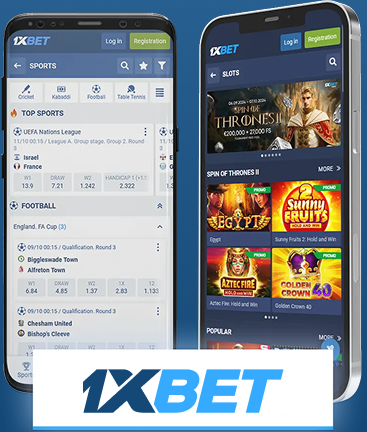
As mobile devices became more prevalent, the demand for mobile-friendly platforms surged. The old version of 1xBet did allow users to access the site via mobile browsers, but it lacked a dedicated mobile app. Users had to rely on the browser version, which was sometimes cumbersome compared to the intuitive mobile applications that followed. With the increasing need for mobile betting solutions, 1xBet recognized this gap and began investing in developing a more robust mobile interface and app.
Security and Regulation
In the early days, regulatory concerns loomed large over online betting platforms. 1xBet operated under a license from Curacao, which raised questions about its regulatory framework and the overall safety of user data. Despite these concerns, the platform implemented standard security measures such as SSL encryption to safeguard user information. Over time, as the platform matured, it sought additional licenses from reputable regulatory bodies to enhance trust and accountability among its users.
Lessons from the Past
The old version of 1xBet serves as an important case study in the evolution of online betting. Its strengths, such as extensive sports coverage and user-friendly navigation, laid the foundation for the platform’s continued success. However, it also highlighted areas for improvement. Feedback from users during this era contributed to significant updates that have enhanced the overall betting experience.
The Transition to the Modern Version
With the growing competition in the online betting market, 1xBet eventually made a series of upgrades to its platform, resulting in a more visually appealing interface, extensive payment options, and advanced mobile functionalities. The new versions focused heavily on user experience, incorporating advanced analytics and personalized betting suggestions for users.
The Current Landscape of Online Betting
Today, 1xBet stands as one of the leading online betting platforms globally, showcasing how far it has come since its old version. Players now enjoy bonuses, promotions, and a vastly improved customer support system that addresses concerns more efficiently. The platform’s growth reflects broader trends in the online gambling industry, where user experience and security are paramount.
Conclusion
In conclusion, the old version of 1xBet marked a significant step in the progression of online betting. It provided essential services and features that engaged users, despite its limitations. By understanding the strengths and weaknesses of the old version, we can better appreciate the ongoing innovations and enhancements that have come to define the modern online betting landscape. As 1xBet continues to evolve, its commitment to providing a safe and engaging betting environment remains at the forefront of its mission.

Leave a Reply